Throughout the year we look back on the impact we make because of our donors and volunteers. This past summer, it was a joy to see a common thread of learning. As community needs change, we’re using what we learn to adapt and respond. This is only possible in our network built on trust.
Data from our Minnesota 211 resource helpline dashboard and a new report, The State of ALICE in Minnesota: 2026 Update on Financial Hardship report, are shaping how we understand the needs of our community.
Available 24 hours a day, seven days a week in multiple languages, 211 refers people — at no cost — to critical services like rental assistance, food programs, childcare, employment resources and more. And because we can collect data while guaranteeing callers' confidentiality, we have important insights into the real-time needs of our community.
Partners consistently tell us that real-time 211 data is a valuable resource that no on else can provide.
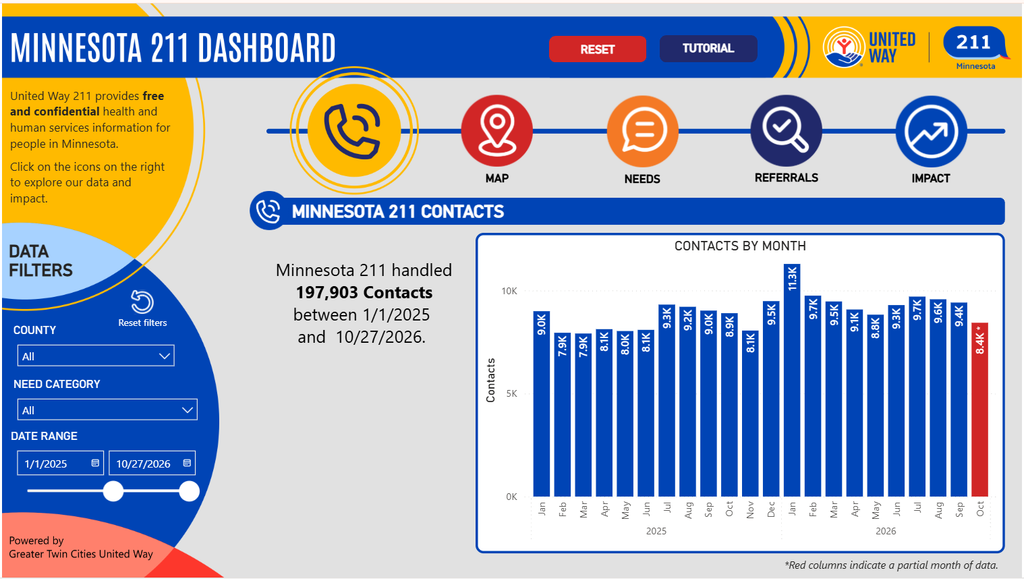
The dashboard also incorporates the latest statewide and county-level data from The State of ALICE in Minnesota: 2026 Update on Financial Hardship report. The new report offers insightful data and shows that traditional measures of poverty undercount the number of households living in financial hardship.
While 9% of all households in our region earned at or below the Federal Poverty Level (FPL) in 2024, the latest research shows that 26% of households were ALICE® (Asset Limited, Income Constrained, Employed). These households earned more than the FPL, but not enough to fully cover the costs of basic needs. Combined, an estimated 35% of Twin Cities households fell below the ALICE Threshold.
Together, the 211 dashboard and the ALICE data clearly show what we hear in conversations with our partners — that for many of our neighbors, making ends meet is harder than ever. We are leveraging insights from 211 and ALICE, and sharing the data publicly, to inform emergency and long-term responses by lawmakers, nonprofits, philanthropic organizations and other regional decision-makers.
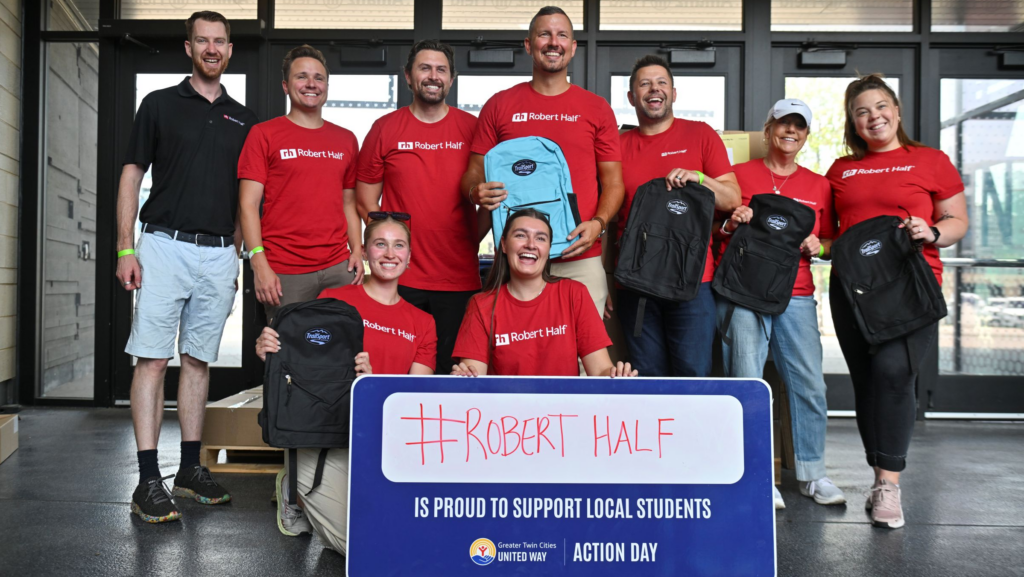
There's a lot to celebrate in education. This summer, our community showed for up local students through Action Day! We had 47 corporate partners and over 6,300 volunteers come together to pack 55,000+ backpacks for local students. I am amazed by what we accomplished together and so grateful for our corporate, nonprofit and school district partners, and for the donors and volunteers that make this work possible. Together, we invested over $3 million in school supplies back into our local community to support young learners and families.
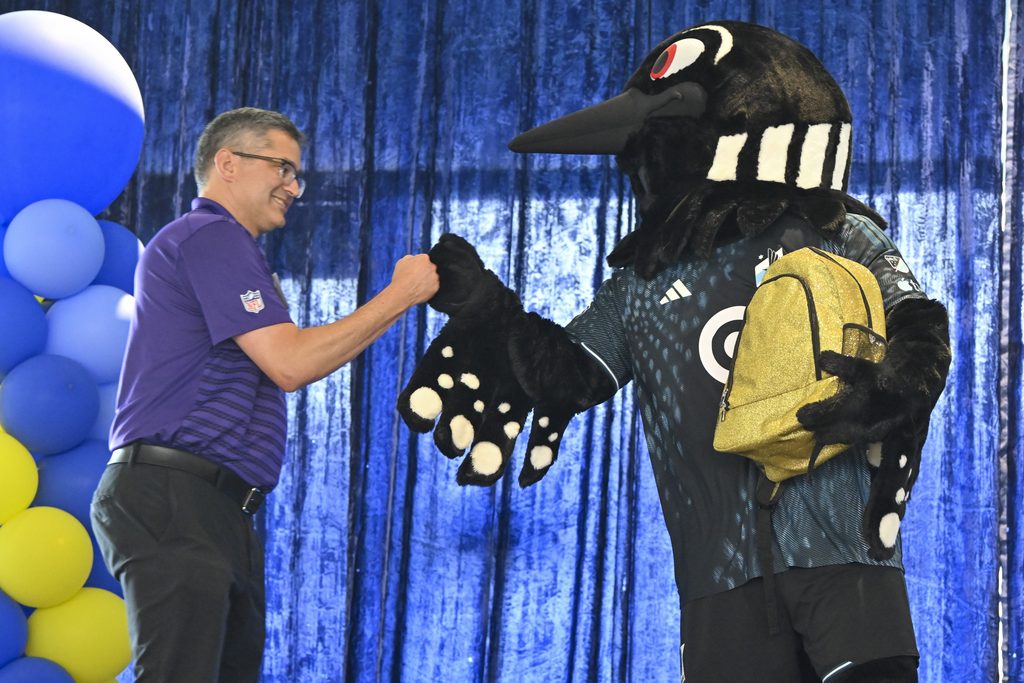
This summer, I also had the pleasure of seeing Leo Howard III advance to program officer of 80x3: Resilient from the Start. Leo has been an invaluable member of our 80x3 team over the last three years, bringing brilliance, dedication and creativity to our work. We are excited to have him lead 80x3 through its final phase, creating lasting impact in our community.
For a glimpse into Leo's work with 80x3, watch our new education video below and read the impact story he shared on our partnership with Wilder Child Development Center:
We’re investing in community insights at the highest levels of our organization. As we do this, I am thrilled to have Shannon Smith Carter leading as our chief impact officer. Since joining United Way in 2023 as senior vice president of Community Impact, Carter has helped lead our grantmaking, community partnerships, advocacy, innovation, 211 resource helpline and 988 Suicide & Crisis Lifeline.
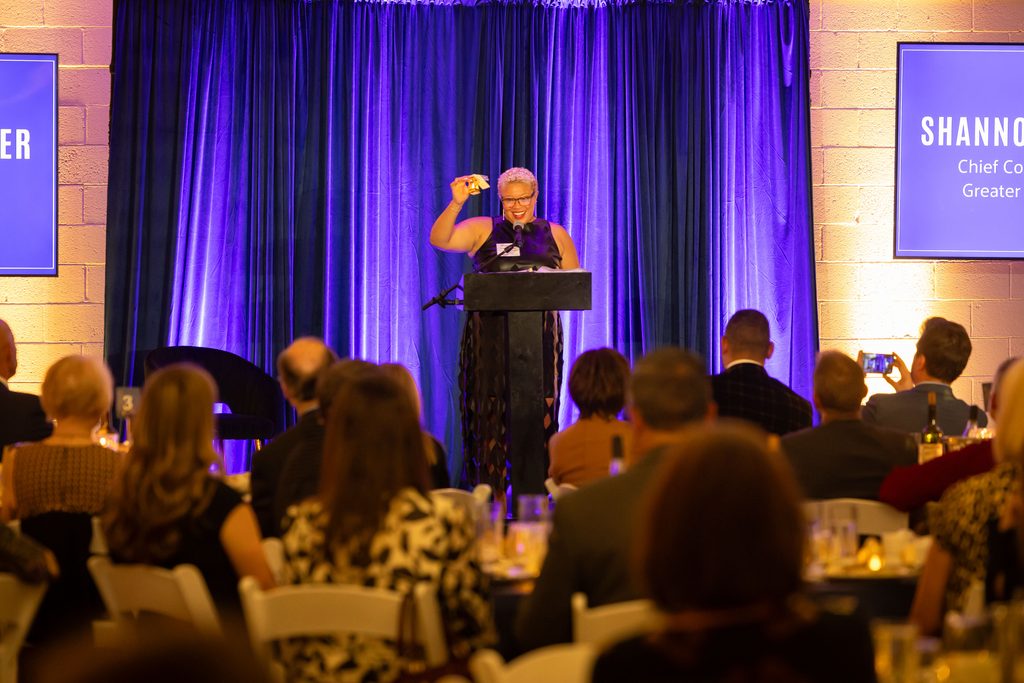
Her newly created C-suite role recognizes how her leadership advances our organization's work to respond to urgent community needs, stabilize the nonprofit sector and invest in a thriving future.
“[Carter] is a trusted and visionary leader whose work continues to strengthen how we partner with community to create meaningful, lasting change.” — John Wilgers, Greater Twin Cities United Way president & CEO (quote from our press release announcing Carter's promotion).
As chief impact officer, Carter is a critical leader in shaping our impact strategies, community partnerships and system change efforts. I am inspired by how she is leading our work toward a future where all our neighbors can cover the cost of basics, save for emergencies and invest in future generations.
Our Legacy and Tocqueville Society members make our organization stronger today and for years to come. Annual events with these groups give us the opportunity to thank them, celebrate their impact and convene them with others who are doing the same philanthropic work.
At our Legacy Society appreciation event earlier this spring, we welcomed Kylie Cooper, executive director of Rise Early Learning Center to share about their work and how our partnership is making a meaningful difference for young children and their caregivers. And we were grateful to have president and CEO of the Saint Paul & Minnesota Foundation, Chanda Smith Baker, with us. Thank you again to the Saint Paul & Minnesota Foundation for sponsoring our event.
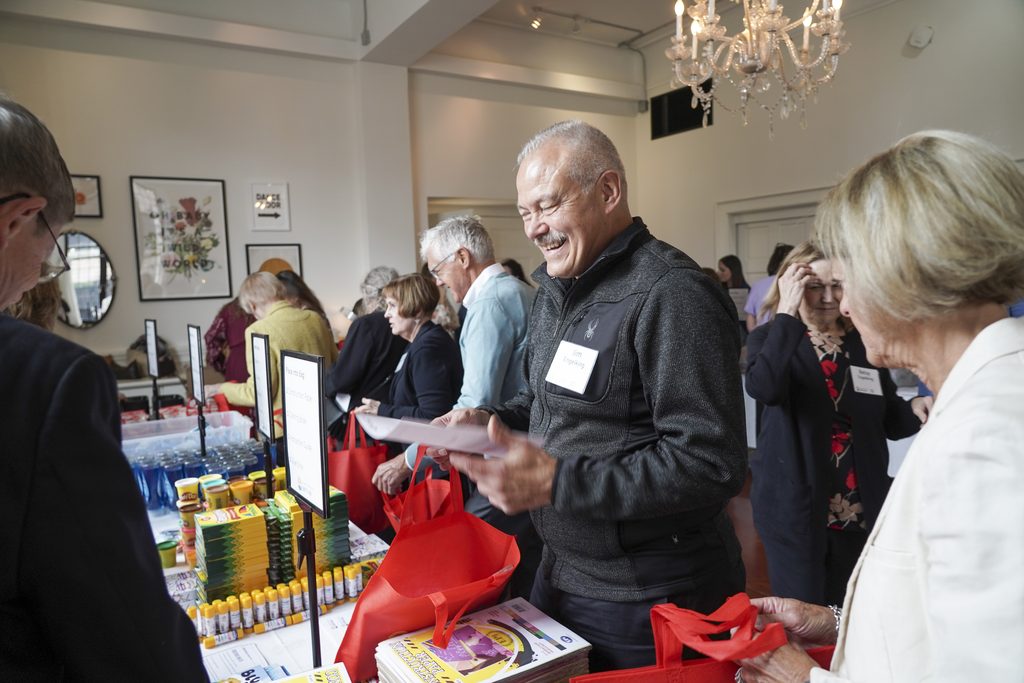
At our Tocqueville Society dinner, we welcomed YouthLinkMN CEO, Rich Melzer, to celebrate the group's members and help us recognize Gail Buuck and her late husband, Bob Buuck, as recipients of our Lifetime Achievement Award. The event, and all our Tocqueville events this year, were strengthened by the generosity of Faegre Drinker, our Tocqueville sponsor.
Both events were inspiring, spoke to the power of strong partnerships and philanthropic leadership, and allowed us to show gratitude for some of our most engaged supporters.
Your support is multiplying our collective impact. Together, we’re building a future where all thrive regardless of income, race or place. Thank you.
Here’s how you can stay connected and keep showing up: