If you (or someone you know) need help now: Call 211, text your ZIP code to 898-211, or visit 211unitedway.org.
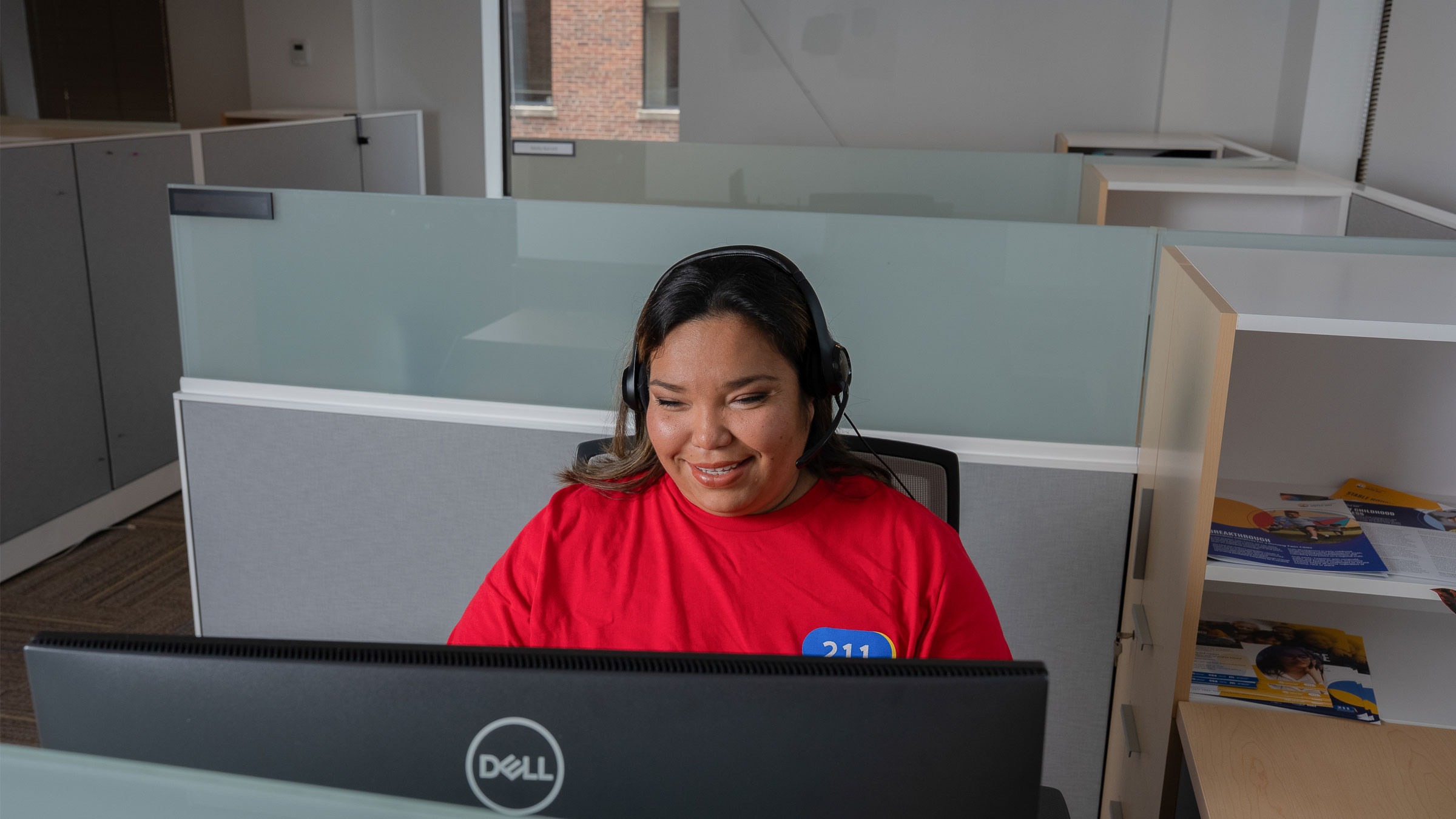
United Way’s 211 resource helpline provides Minnesotans with free, 24/7 navigation and referrals to community resources and services able to meet a wide range of needs – including housing, food, education and more.
There is another side to 211 that we rarely discuss, and that is the valuable insight provided by 211’s data. As Greater Twin Cities United Way’s Senior Director of Evaluation & Learning, I have the incredible opportunity to partner with our 211 team to help interpret and analyze the rich data 211 generates every day.
The insights from this data are relevant to understanding the real-time challenges our communities are facing. When the federal government shutdown disrupted families’ SNAP payments in November 2025, United Way was already mobilizing emergency grants to stabilize our region’s food system – because data from 211 callers was an early warning of the looming crisis.
When Operation Metro Surge disrupted day-to-day life for many Minnesotans, that impact was tangible – increases in calls for rent assistance and other forms of housing support, increases in calls for food assistance, and huge spikes in Spanish-language calls. Data from 211 helped city, county and state leaders calibrate their policy proposals to the scale of the challenge our region was facing.
Today, our new 211 dashboard makes this wealth of knowledge available to the public for the first time.
Learn more about the launch of the 211 dashboard.
This data is especially valuable in light of newly updated research from our partners at United for ALICE®, which shows that in 2024 more than one in three Minnesotans could not afford basic needs such as food, housing and health care. In addition to data from 211, the dashboard presents up-to-date ALICE data to provide a macro-view of economic hardship in our state.
Think about the potential benefits to the community – including lawmakers, who can view a day-by-day snapshot of food and housing insecurity in their districts. For government and private funders, this data exposes gaps in existing services and resources. Nonprofits benefit as well, with a new set of data to help them advocate for the funding and support they need. For anyone who cares about the challenges facing Minnesota families, our dashboard gives you tools to explore 211’s reach and impact.
The 211 dashboard helps deepen all of these conversations, empowering decision-makers and everyday community members to better understand the scale of need that exists across our state. Keep reading to learn a little more about how you can get started with the tool.
Click here to get started with the 211 dashboard, along with a list of frequently asked questions you may encounter when exploring the data.
My colleagues on the 211 team have prepared a more detailed tutorial video, outlining some of the key functionality the dashboard offers.
As you explore the dashboard, you may see some common terms being used – words like “contact,” “need” and “referral.” Each of these terms has very specific meanings for our 211 team. Understanding what each one means, and how they relate to 211’s work, will help you make sense of the information in the dashboard.
As you look through the dashboard, you may find some noteworthy patterns and trends. Some of these are straightforward – for example, how 211 sees a spike in requests for tax preparation resources every March and April.
We also see cyclical trends that can illuminate the ebb and flow of families’ biggest areas of need. Requests for rent assistance – by far our most common request – increase at the end of the month, when rent is due. Requests for food assistance – another common 211 request – similarly rise before SNAP payments arrive in families’ homes in the first half of the month.
These are just some of the patterns you’re likely to see in the data – and as more of our partners begin exploring and analyzing this data, I expect we will uncover more trends in community need.
Learn more about how 211 data informs United Way’s emergency response efforts.
As excited as I am for the launch of our dashboard, this is only the start of our work. Over the coming months, we will be working closely with our cross-sector partners to help them build on the insights captured in this data. Stay tuned for more from our team about these important conversations.