Food access is essential in a community where everyone can thrive. Everyone deserves access to food that is nutritious, culturally familiar and affordable. When food is accessible, more of our neighbors can keep their families fed, setting them up for success in school, work and life.
With federal cuts to Supplemental Nutrition Assistance (SNAP) benefits, Operation Metro Surge and other economic pressures affecting grocery prices, it's been a difficult year. But the people living in our communities, and the nonprofits that serve them, are resilient. Together, we remain determined to ensure everyone has the food they need. We believe that our neighbors shouldn't have to face difficulty feeding their families.
That's why we work to increase food security and strengthen our regional food system — how food gets from farmers to families — alongside partners like The Food Group.
Our goal is for everyone in our region to have access to food that is nutritious, culturally familiar and affordable toward long-term food security. To reach this goal, we meet urgent food needs while creating lasting change in our region's food system.
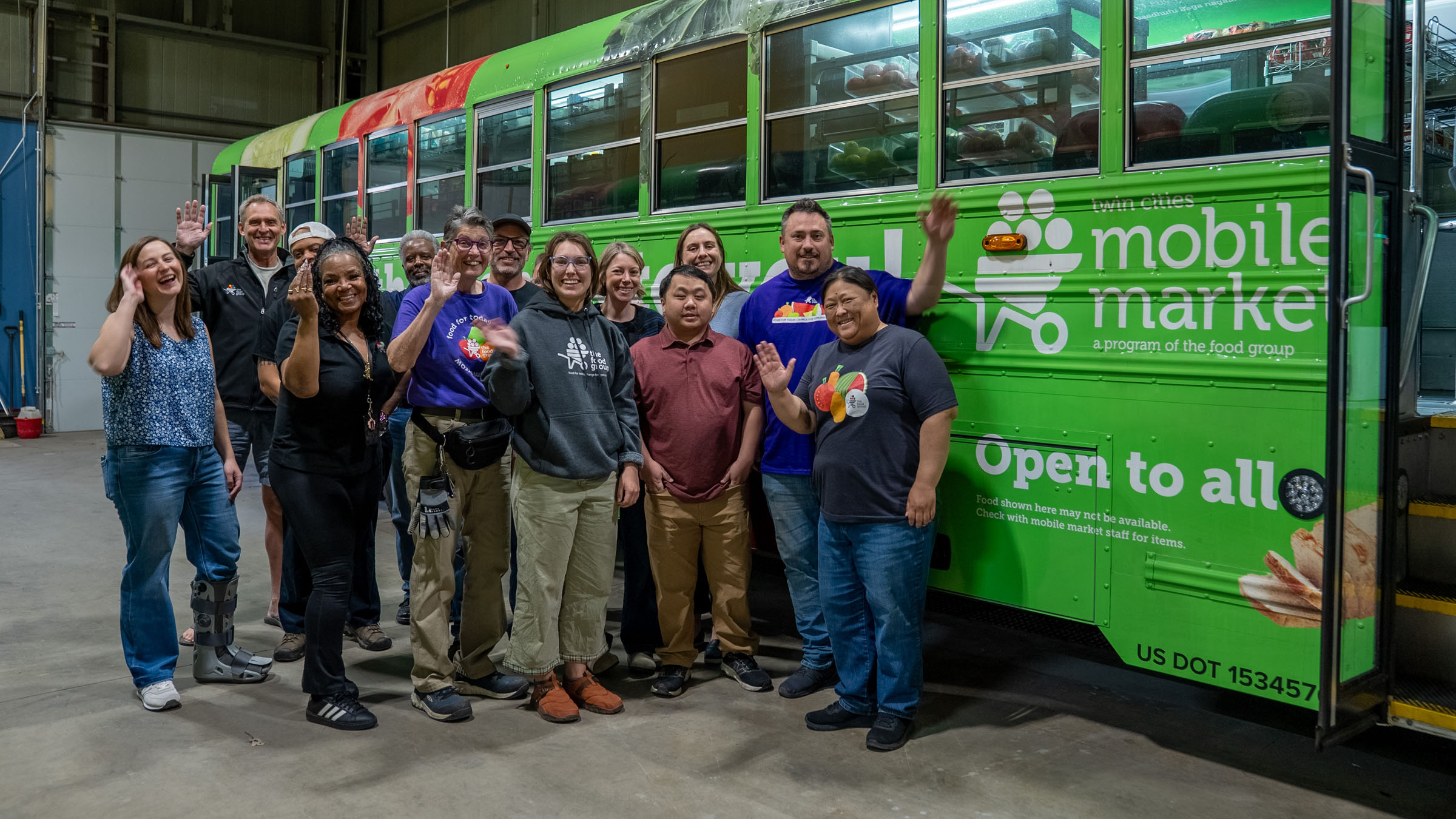
Our partnership with The Food Group has strengthened our efforts. Their food shelf support, Minnesota Food Helpline, Twin Cities Mobile Market and Market Bucks programs are some of the ways they are working to ensure our neighbors can feed their families today. And, despite federal funding cuts to SNAP education programs, The Food Group is still providing critical education and support for families navigating SNAP eligibility.
The Food Group is also a key partner in creating lasting change in our region’s food system. Their Farmer Education and AgriSolar Farm programs, advocacy efforts and Hunger Data are some of the ways they are working to make our regional food system work better for everyone — families, farmers and food distributors.
As one of our multiyear nonprofit partners, they can depend on our flexible funding, our network of partners and our support to help grow their capacity. And we depend on their depth of knowledge about the challenges facing our region, both as a partner and in their role on our Full Lives advisory board. Together, we are working to ensure families throughout the Twin Cities have the food they need to thrive.
Right now, in the Greater Twin Cities, 35% of us are ALICE® (Asset Limited, Income Constrained, Employed). ALICE tells us a lot about the economic difficulties facing our region: Despite our community's financial resilience, wages are not keeping up with the cost of basic needs. And cuts to federal funding and benefits are putting further pressure on states, local governments, nonprofits organizations and families to do more with less.
Through initiatives like our Community Response Fund and Emergency Food Relief Campaign, we're leveraging the expertise of our strong partnerships to move resources quickly. And we're working alongside partners like The Food Group and Interfaith Action of Greater Saint Paul to come up with solutions to problems created by economic strain.
“As community needs rise and organizations must pivot to new ways of working, collaboration and creativity is more important than ever.”
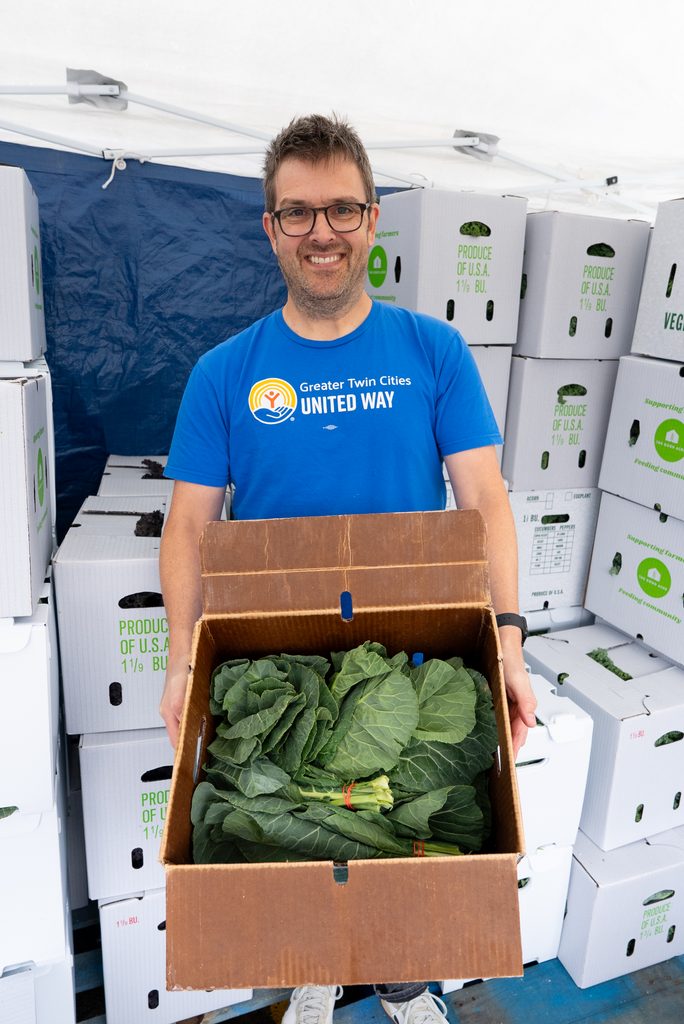
— Jay Wagner, director of holistic grantmaking at Greater Twin Cities United Way
We're listening to trusted partners to strengthen their ability to weather economic pressures, while helping to multiply the support they provide to Twin Cities residents.
In response to the shifting and increased needs of our community, our grantmaking team has been working quickly to move resources to trusted nonprofit partners.
When food needs began to rise dramatically in the fall of 2025 because of the federal government shutdown, flexible emergency funding from our Emergency Food Relief Campaign enabled The Food Group to adapt quickly. As a result, they were able to provide free food alongside their Twin Cities Mobile Market Bus.
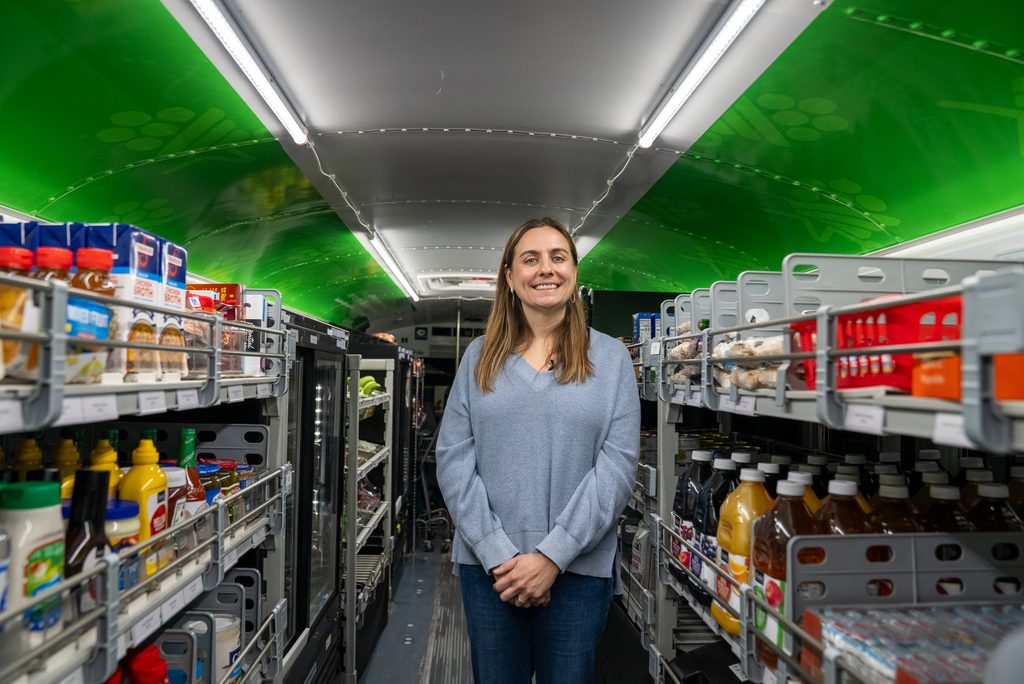
“We had so many residents who just articulated how important that was, not only for the actual food, but to know that people were paying attention and that people cared and that they weren’t alone in this period of uncertainty,” said Sophia Lenarz-Coy, executive director of The Food Group.
To further meet emerging community needs, they also coordinated with mutual aid groups to create food packs that were delivered to families impacted by Operation Metro Surge.
We are proud to partner with an organization that is deeply rooted in our communities and willing to adapt quickly to respond to evolving needs.
No one should have to choose between putting food on the table and paying bills. Learn how you can get involved to support our work in food security with partners like The Food Group: