Community voices, nonprofit partners and research point to the same trend: Life’s essentials are becoming less affordable. Greater Twin Cities United Way and our partners are adapting as a network.
New data from United For ALICE shows that from 2023 to 2024, rising costs outpaced rising incomes across Minnesota. And costs for basic needs rose faster than overall inflation, meaning households with lower incomes felt greater strain. Housing was the largest driver of increased costs, rising nearly 11%. Childcare remained one of the largest budget items for families with young children — impacting adults’ ability to work and pursue training.
More recently, housing and utilities assistance were the two most common requests to our 211 resource helpline in Q2 2026, reflecting families’ efforts to maintain stability. Community partners report that individuals and families are devoting significant time and thought to navigating shifting resources.
In a recent bright spot, Minnesotans have fueled job growth that has recovered from and surpassed losses during Operation Metro Surge. However, our community partners delivering workforce and entrepreneurship services are still seeing lower participation than before the surge. This may be linked to documentation and data-collection barriers that are greater than in the past. Partners tell us participants in these programs are increasingly requesting other types of services, such as food and housing. Because these holistic supports make it more likely that individuals will stay on track toward career goals, nonprofits have been finding ways to provide new services, either directly or through partner networks.
Likewise, our partners providing food and housing services have seen participants seek resources across multiple types of need. For example, families may leverage food services to help them keep up with rent and maintain stable housing. Two important qualities make our nonprofit partners well suited to adapt to these changing needs:
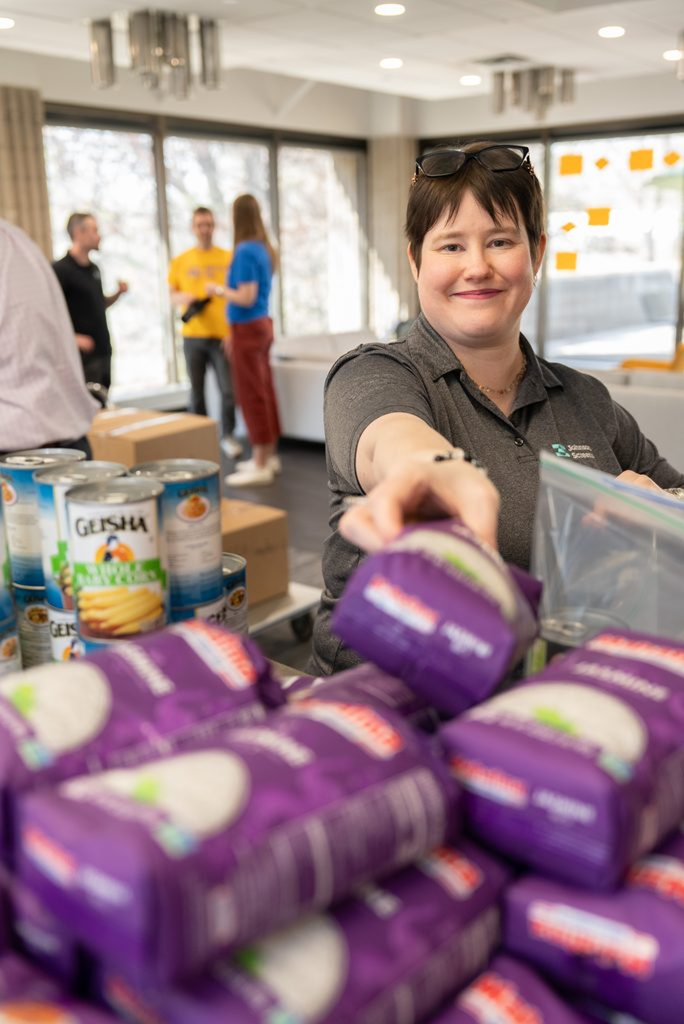
Interfaith Action of Greater Saint Paul, which provides housing and food supports to the community, was looking for a new location for their food shelf to reduce costs in response to drastic funding changes. Rather than face this challenge in isolation, they engaged our program officer Kelli Nelson, The Sanneh Foundation – another United Way partner – and a large food bank.
Together, the group visited potential new spaces and consulted on food delivery logistics such as loading docks. When new challenges forced major pivots, the partners adapted together. Ultimately, a collaborative decision emerged: Retrofitting an existing, smaller space at Interfaith Action’s offices and partnering with The Sanneh Foundation to add mobile delivery services. This collaboration represents the key partner role our program officers can play, providing consulting and connections as nonprofits work toward their goals.
“As community needs rise and organizations must pivot to new ways of working, this kind of collaboration and creativity is more important than ever.” — Jay Wagner, director of holistic grantmaking
Our advocacy team is hopeful following the July bipartisan passage of the first substantial federal housing legislation in decades. The 21st Century Road to Housing Act allows community-development block grants to fund affordable housing construction and modernizes the federal HOME program. While it does not produce near-term relief, “anything to increase future housing supply is a good policy,” said our senior advocacy specialist Jackson Gunvalson.
The 2026 legislative session brought important wins, including funding for Hennepin County Medical Center and school-linked mental health programs. It also marked a milestone for 211, which received its first Senate hearing.
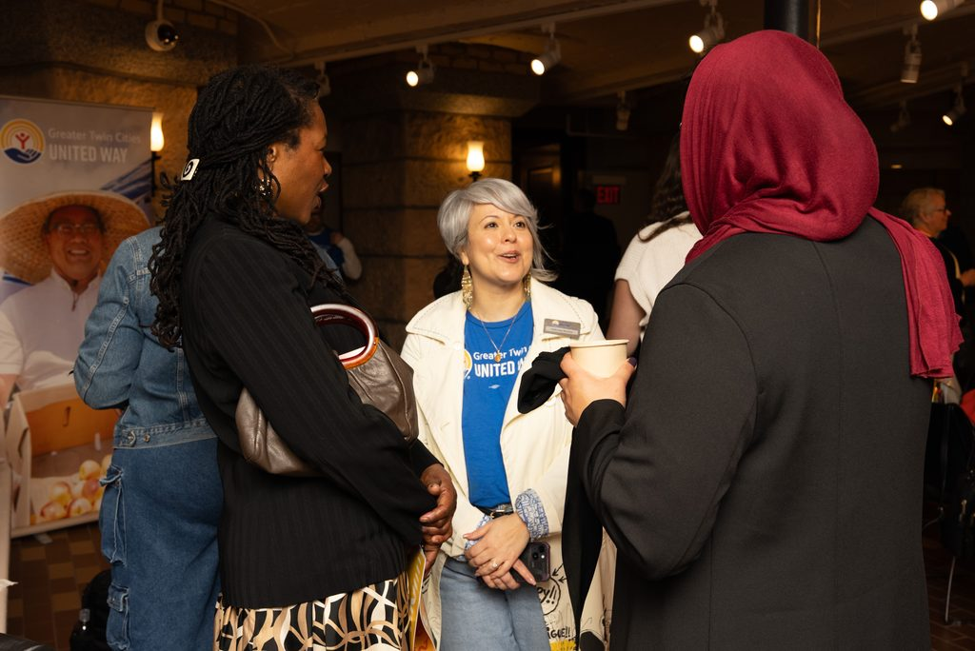
We’re excited for a late-fall launch of a new set of partnerships in our Full Lives initiative. Full Lives aims to strengthen our regional food system so everyone has access to nutritious, culturally relevant food. Based on learnings from its recently completed first phase, Full Lives is focused on improving food distribution by investing in market access and business development for farmers.
Our program officers also continue to monitor areas of uncertainty including:
Strain on housing programs. Disruptions and pauses to longstanding federal housing funding began last fall and continue to develop. Partners are delving into detailed assessments of whether and how they can apply for federal funding they previously counted on. Often, they leverage assistance from our program leadership in these assessments. Simultaneously, nonprofits are working in greater depth with families to navigate eligibility in both the housing and food spaces.
Demand for emergency food services. While it’s clear that the SNAP changes that began last fall will continue to result in less support for individuals and families, we’re watching for additional federal guidance. Changes to work requirements are a key question. And because food assistance is typically an important low-barrier way for households to balance budgets, we expect demand to continue to mount.
Finally, we’re celebrating a growing 211 partnership with Ramsey County and Metro Transit. You’ll see QR codes and other outreach on transit shelters and buses encouraging folks to connect with 211. Our aim is to support youth who use transit for warming and shelter, especially as our weather gets colder.
Your support helped families succeed, and nonprofits adapt through hardship. Together, we’re building a future where all thrive regardless of income, race or place. Thank you.
Here’s how you can stay connected and keep showing up: