In December 2025, Greater Twin Cities United Way marked the conclusion of Phase 1 of our Full Lives food initiative. Over our 18-month partnership, Full Lives supported efforts to strengthen our regional food system, fostering new forms of collaboration between 19 nonprofits and grassroots organizations doing important work in our community.
A “regional food system” may sound complicated, but ultimately, it’s just a different way to think about the process that brings food from the farm to your table. By investing our time and dollars in partner organizations responsible for growing, storing, transporting and distributing food, Full Lives is making meaningful progress toward ensuring that everyone in our region has the food they need to thrive.
Learn more about Full Lives’ Phase 1 launch.
Alongside this important milestone for Full Lives, Greater Twin Cities United Way has published a new Phase 1 Evaluation Report, documenting our collective achievements and detailing the lessons we’ve learned that are informing future phases of this work.
Here are some of our biggest takeaways from Full Lives Phase 1.
When we’re trying to prevent hunger and build resilient community food systems, the supply of food is an important piece of the puzzle. I’m proud of the impact we made in Phase 1, with our Full Lives partners producing more than 420,000 meals worth of fresh, locally grown food.
But Phase 1 confirmed for us that the bigger challenges in the Twin Cities center on how food gets from farmers to people – areas like storage, transportation, processing and access to markets. By investing in these systems, we can ensure fresh, nutritious food that’s already been produced by farmers in our region can get to the families who need it most.
A major success of Full Lives was helping organizations build trust and work together across the food system. Partnering with Greater Twin Cities United Way allowed nonprofits to share tools, staff expertise, resources and ideas – things that don’t happen easily when organizations are forced to compete for limited resources.
At our quarterly Community of Practice gatherings, 79% of attendees reported making new connections, and 96% strengthened existing connections with colleagues working across the regional food system.
One funded partner shared that because of their partnership with Full Lives, “what we could have all done individually [is] growing into something bigger than we had imagined.”
Unlike many grants, Full Lives provided flexible, trust‑based funding, allowing organizations to adapt quickly when conditions changed. This helped partners try new ideas, fill gaps and respond to community needs without being locked into rigid plans written months earlier. Partners consistently said this approach made their work more effective.
When the federal government shutdown led to a freeze in nutrition benefits in fall 2025, many of our partners were able to tap into their Full Lives partnership – including free consulting and emergency funding from Greater Twin Cities United Way – to scale up their community food distribution efforts.
As one of our funded partners put it, “Full Lives has been the rocket fuel. We knew the direction we wanted to head, and we had semi-clear goals, but now we have the fuel to get there.”
Instead of focusing only on serving more people in the short term, Full Lives also helped organizations strengthen their foundations, making new investments in areas like staffing, business planning, technology, communications, and governance. These are activities many partners said they could not fund elsewhere. Behind the scenes improvements funded by Full Lives made organizations more sustainable and better able to serve their communities over time.
These investments have a tangible impact for the communities our partners serve. One of our partners was able to hire and embed a Karen‑speaking team member at food access sites, improving the accessibility of their programs for immigrant families in their neighborhood.
Food helps us all feel at home. For that reason, Full Lives Phase 1 supported food that is locally grown and culturally meaningful for our diverse communities across the Twin Cities. Phase 1 also reflected the diversity within our regional food system, with our partnerships providing new support for African immigrant farmers and Hmong growers.
This approach improves health and quality of life, strengthens our local economies and ensures that families’ cultural and dietary needs are being met.
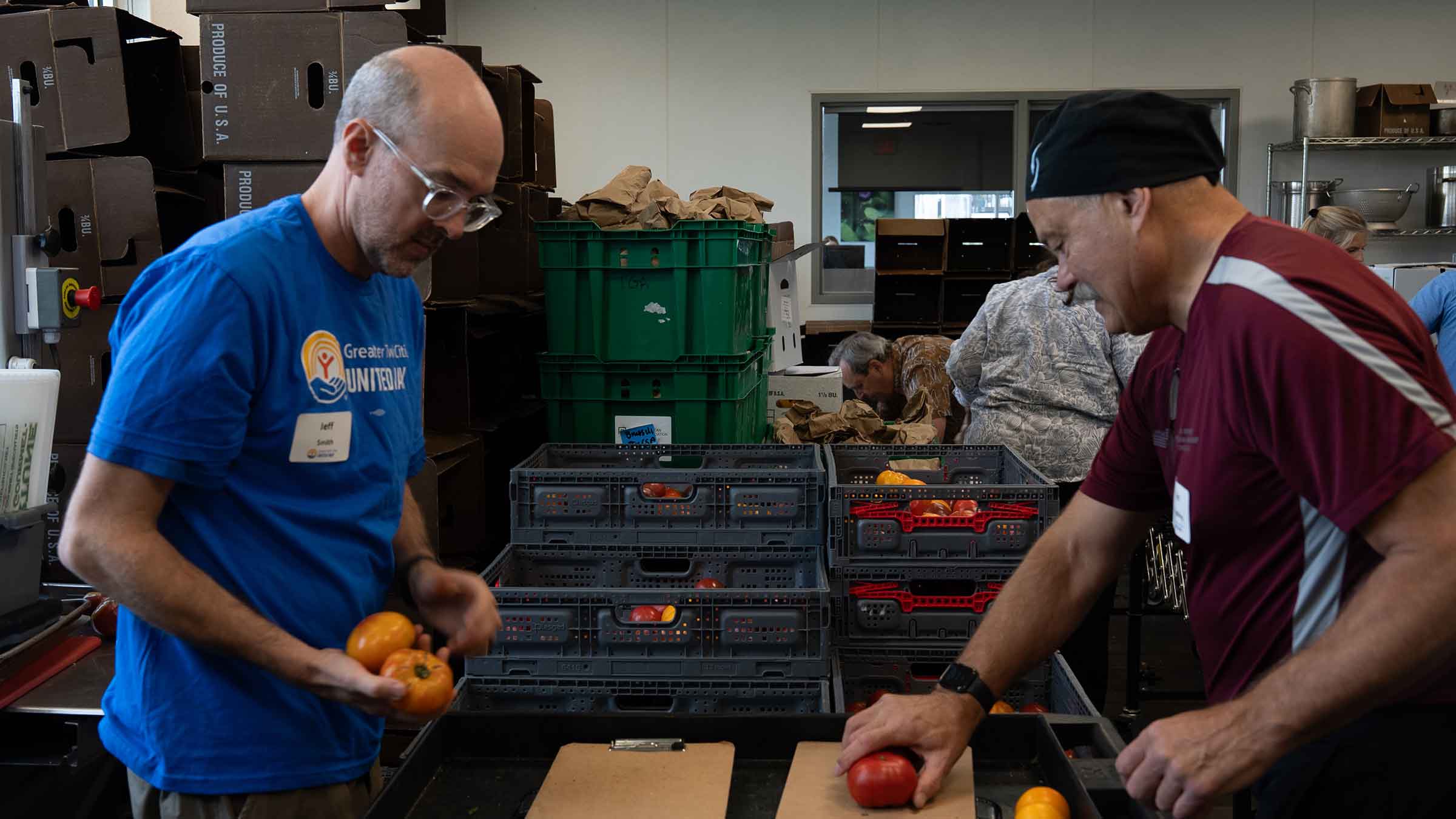
During the federal government shutdown, Full Lives funded the purchase of over 18,000 pounds of local produce directly from Twin Cities-area growers – totaling $50,000 at market rates. Re-routing this produce to community distribution sites increased our food supply at a period of historic need, while at the same time sustaining the local growers who are at the foundation of our regional food system.
As we learned in Phase 1, a lack of regional food supply isn’t always what’s standing in the way of our families getting the food they need. Many farmers end the growing season with excess produce they can’t sell and can’t preserve. Farmers take a financial loss, and good food goes to waste. Nobody wins.
Looking ahead, our partners agreed that Full Lives can make its greatest impact by connecting farmers to markets and building shared systems to avoid these kinds of scenarios. For that reason, Full Lives Phase 2 will invest in more streamlined food distribution, processing and storage to keep food moving year‑round. These forms of shared infrastructure can ensure that our region’s food supply actually reaches the people who need it while supporting the economic viability of small farming businesses. Organizations can apply for Phase 2 this spring, when our application opens on April 20.
Here are a few ways you can stay connected with United Way’s efforts to strengthen our regional food system: