Early 2026 were some of the hardest months for the Greater Twin Cities metro. Hundreds of people reached out to our 211 resource helpline every day. Our community partners told us about new safety threats for their participants and staff. And, at the same time, nonprofits were experiencing an increased demand for services alongside federal funding cuts and uncertainty.
But because of your support, we were able to respond, stabilize, and keep investing in a thriving future. Thank you. Here’s a brief update on our impact together in the early months of this year.
During Operation Metro Surge, our 211 team responded to spikes in requests that revealed compounding needs in our region. Many callers told us their household’s primary breadwinner had been inappropriately detained or deported. Surges in Spanish-language calls led us to partner with 211 in Rhode Island for additional language capacity during peaks in need.
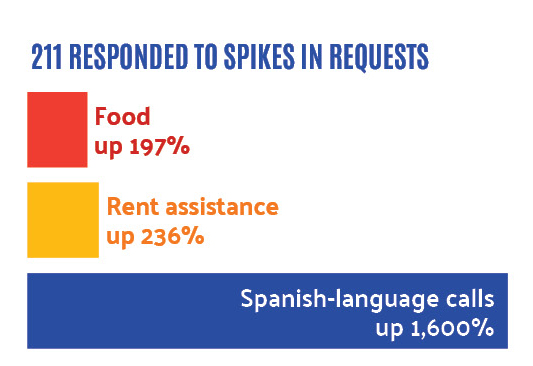
Requests to 211 were elevated throughout January and February. The examples above show a few top areas of need that surged the week of January 12 compared to averages from the last three months of 2025. Significantly, food requests surpassed requests driven by a lapse in SNAP benefits in the fall of last year.
As needs multiplied, so did the ways we care for one another. Our resource team within 211 ensures that our database provides accurate, up-to-date resources. In early 2026, this team focused on mapping mutual aid networks in real time. We invested staff hours to build trust and understand the community-led networks where callers could get help. We recognize and are grateful for the value of flexible, community-connected networks in times of crisis.
Our Volunteer United team used what we learned from our fall 2025 Emergency Food Relief Campaign to meet new food requests. We still provide culturally relevant staples and spices that are loved but seldom donated. And we expanded to deliver:
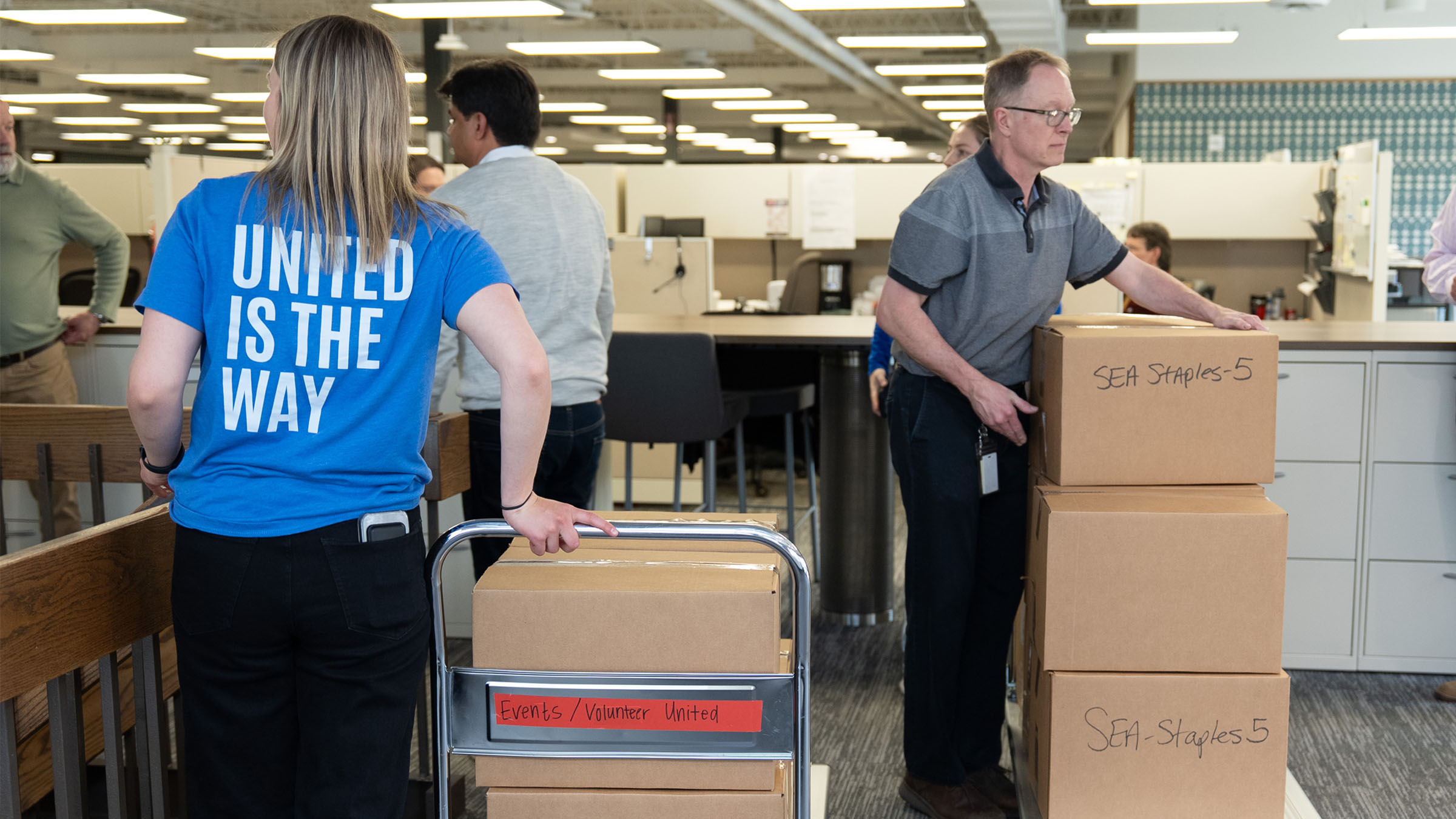
Volunteers showed up to help families stay housed and fed. Eleven companies partnered with us to host 16 emergency volunteer events. Together, we delivered $70,000 worth of food, hygiene and other products, and helped more than 12,000 people.
Throughout the first few months of 2026, nonprofit partners told us families faced housing instability, food insecurity, childcare disruptions and fear tied to immigration actions. Kids felt these disruptions. For children 0–5, that meant inconsistent care and missed learning. For school-age kids, it led to irregular attendance, youth taking on caregiving roles, and a growing need for safe spaces and trusted adults.
Because our partners are deeply rooted in communities, they responded with relational care through trusted networks. This approach creates the best outcomes and is only possible with consistent support. Our partners tell us that our multiyear funding, free consulting and dependable relationships with United Way staff are a rare source of stability in turmoil. In addition, the emergency funding and consulting we provided January through March of 2026 was:
Donors gave over $1 million to our Community Response Fund. Partners used the funds to meet elevated needs for food and housing services, adopt new safety measures, and care for their staff who were adapting under immense strain.
To continue as a stabilizing force, our grantmaking team is monitoring these trends:
We can be a dependable partner because our community steps up to meet rising needs. Thank you for adapting with us to provide stability to our partners. When we all work together, we help the Greater Twin Cities through crisis and into a brighter tomorrow.
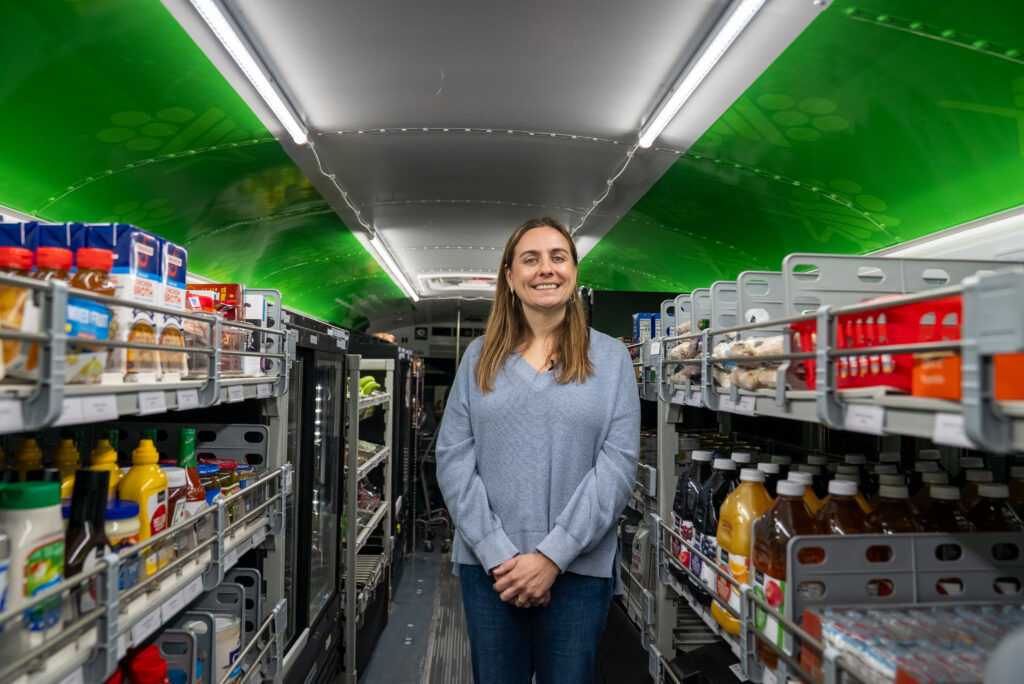
Sophia Lenarz-Coy, executive director of The Food Group, stands in the program’s mobile market, which brings affordable groceries into neighborhoods. With responsive funding from Greater Twin Cities United Way, the retrofitted bus brought free food to families coping with SNAP disruptions and Operation Metro Surge. Learn more about our Community Response Fund efforts from Lenarz-Coy and United Way staff.
Our innovation team kept working to eliminate persistent regional-scale barriers to success. Highlights from the early part of this year include:
Beginning in February, our advocacy team was working with policy makers at the Capitol throughout the 2026 legislative session.
Your support helped families succeed, and nonprofits adapt through hardship. Together, we’re still building a future where all thrive regardless of income, race or place. Thank you.
Here’s how you can stay connected and keep showing up: