In 2026, our community faced overwhelming challenges as families navigated the impacts of federal immigration actions, rising costs and new uncertainties. In response, Greater Twin Cities United Way launched the Community Response Fund to move resources quickly and support our neighbors when it mattered most.
For more than 110 years, whenever there is a need in our community, Greater Twin Cities United Way is there. We connect people, resources and solutions to help when our neighbors need it most. This moment was no different.
When Operation Metro Surge began in the Twin Cities, conversations with our partners and callers to our 211 resource helpline made clear its immediate, devastating impact on our neighbors. Broad disruptions to safety and daily life led to serious negative impacts on food security, housing stability, education and financial stability across our region.
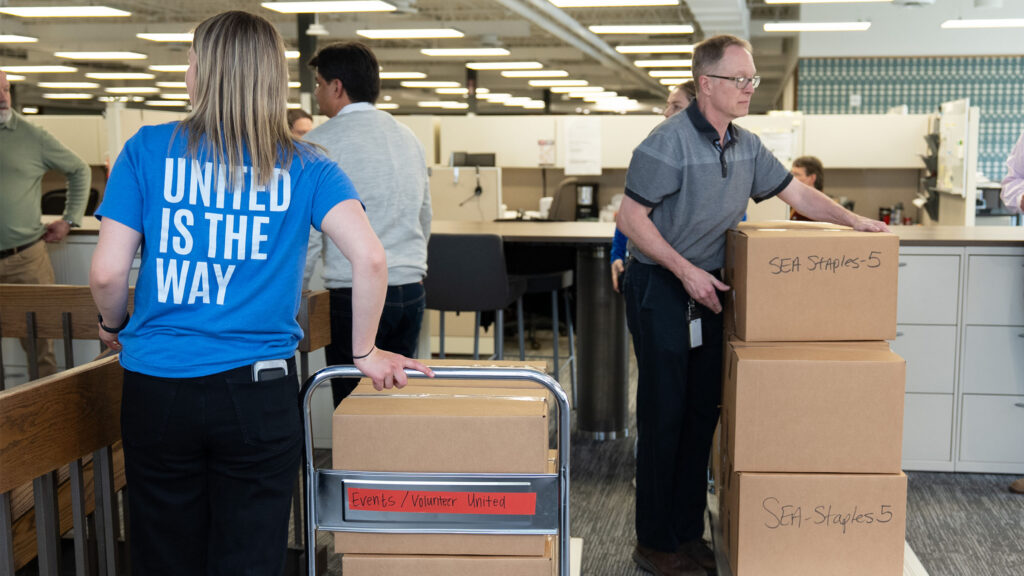
Thanks to the generosity of our community, the fund has raised more than $1 million to support local nonprofits responding to this crisis, and we’ve led over two dozen volunteer events and supply drives to collect and assemble essential food and hygiene items. Our trusted partnerships with nonprofits, government agencies and supporters like you across our region enabled us to rapidly move funds, information and people to do the most good.
The longstanding relationships we build with nonprofits are the cornerstone of our work. By collaborating over time, we create strong, trusting connections that provide deep insight into community needs. Nonprofits have pivoted to whole new ways of working as demand for services has increased in the wake of multiple destabilizing forces, and your support allows us to offer resources customized to each nonprofit partner’s specific needs, resulting in innovation and resiliency.
Real-time insights from our 211 resource helpline offered a clear picture of where support was most needed.
At the peak of demand:
This data, along with conversations with community partners, revealed that housing stability support, food relief and legal assistance are the most pressing needs this year. These increases underscore the scale of need and the importance of responsive, data-informed solutions that address communities’ current circumstances.
In response, our grantmaking team worked quickly to move resources to trusted nonprofit partners doing the best work to meet immediate needs in our community.
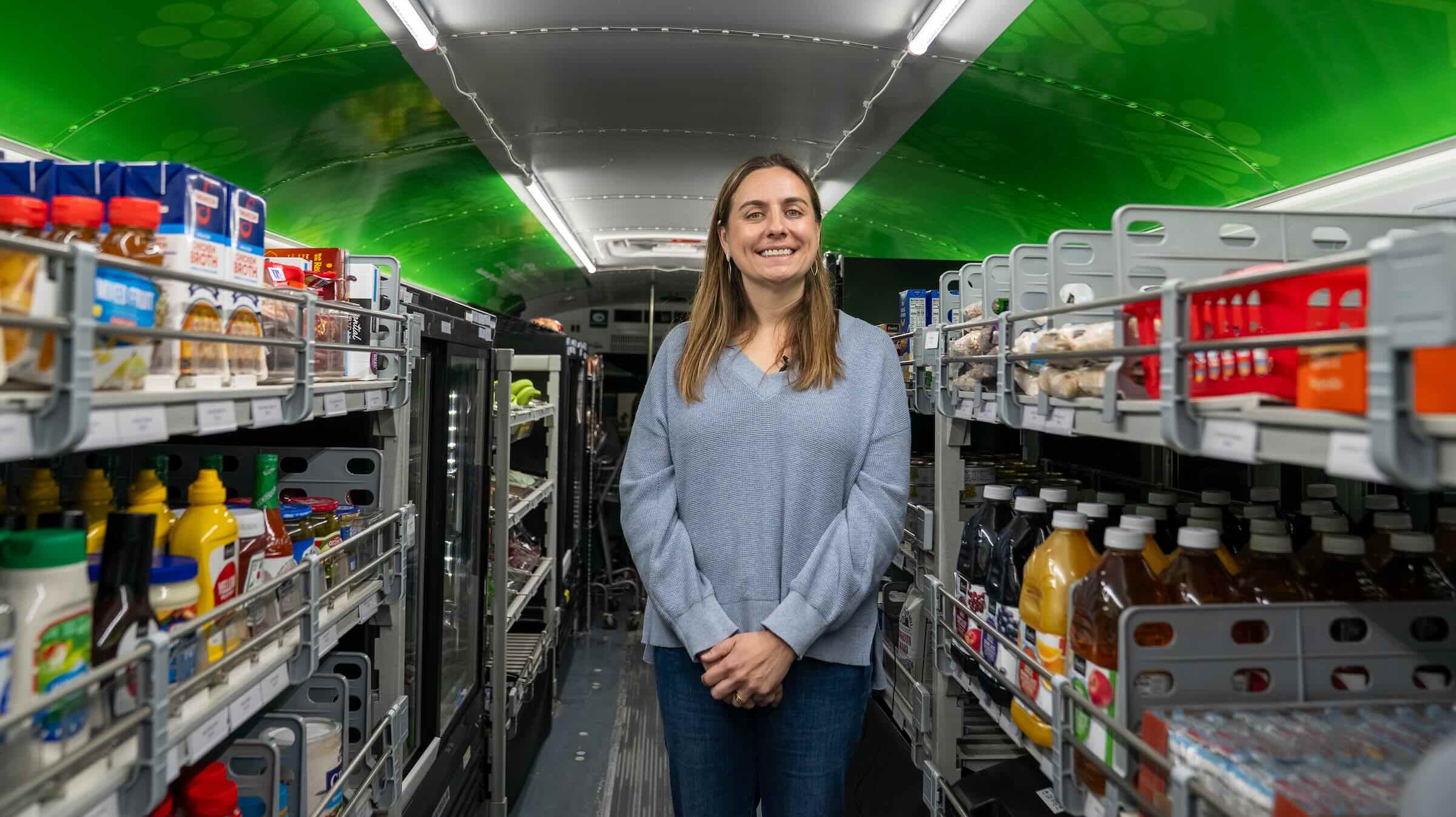
Partners like The Food Group, an organization that works across the entire food system supporting statewide food shelves, providing affordable grocery options and supporting emerging local farmers. Early on in this crisis, as food needs began to rise, flexible emergency funding from United Way enabled The Food Group to adapt quickly and provide free food alongside their Twin Cities Mobile Market Bus to help meet the growing demand. They were also able to coordinate with mutual aid groups to create food packs that were delivered to families impacted by Operation Metro Surge.
“We are just experiencing more uncertainty than ever in the nonprofit landscape, whether that's changes in funding or changes in community need,” said Sophia Lenarz-Coy, executive director of The Food Group (pictured). “What means so much for us at The Food Group is to know that we have a partner in Greater Twin Cities United Way who is as interested in wanting to pivot as we are. And so that ability to be nimble, to see what the community needs and what they’re asking for, and to work together on community solutions has been instrumental for us.”
Thanks to generous donors, we’ve provided emergency response funding to local nonprofits providing food, rental assistance, safety measures and more. This kind of nimble, collaborative response is what makes community-based solutions so effective.
In addition to providing crisis response funding to nonprofits, the fund has also supported nonprofit staff through Reclaiming Care grants, helping ensure the wellbeing of frontline workers during an especially demanding time.
In conversations with nonprofit leaders over the past year, the most pressing concern was the well-being of their teams. Due to our partnerships, the direct service providers are often from the same communities they serve, facing similar challenges and uncertainties.
Reclaiming Care Grants provide dedicated funds for organizations to support their teams’ mental health and well-being. Supporting the people who power organizations is an investment in the long-term resilience of our nonprofit sector.
Moments like these remind us that responding to crises isn’t just about meeting immediate needs — it’s about building a more resilient future. The impact of the Community Response Fund demonstrates what’s possible when donors, nonprofits and community members work together.
Thank you for working with us toward a future where everyone can thrive. Together, we’re building a community where every child grows up in safe, stable housing with good food in the fridge; every adult can provide for themselves and their families; and each of us can handle life’s emergencies and save for tomorrow.