New Dashboard Visualizes Areas of Heightened Need in Housing, Food and Other Basics; 211’s Impact Across Minnesota
MINNEAPOLIS (July 8, 2026) – Today Greater Twin Cities United Way announces the launch of the Minnesota 211 dashboard, a new online tool that makes data from the Minnesota 211 resource helpline publicly available for the first time.
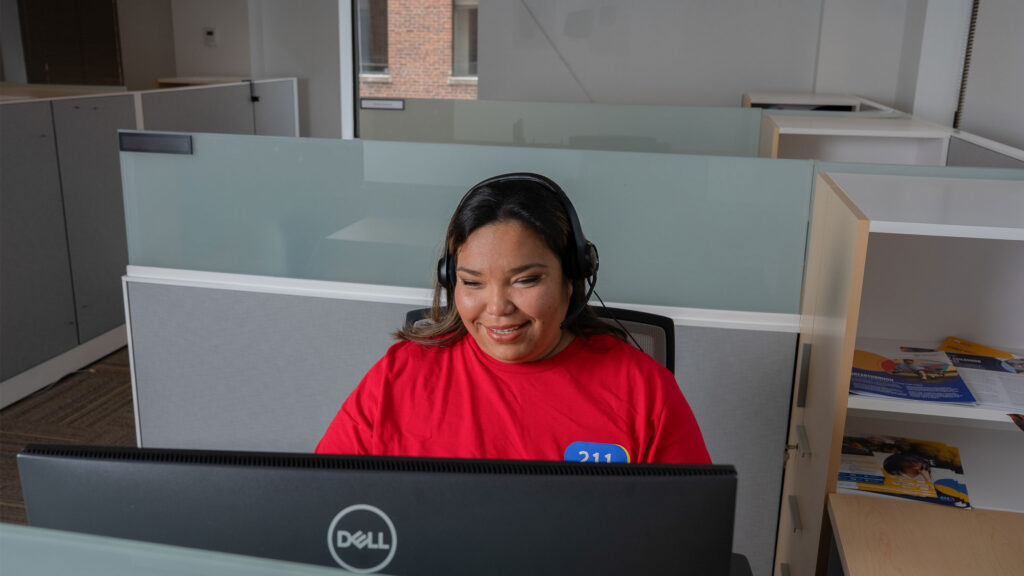
The 211 resource helpline is a free, confidential service, provided in Minnesota by Greater Twin Cities United Way, First Call for Help and First Link North Dakota. 211 helps Minnesotans navigate the complex social service system and access resources for basic needs like housing, food and healthcare.
The Minnesota 211 dashboard offers a statewide view – filterable down to the county level – of several key 211 metrics, including contact volumes, areas of need, and referrals to community resources (such as food shelves, rent assistance and more). The dashboard presents these key metrics dating back to 2023, with customizable filtering options by date, county and category of need.
The Minnesota 211 dashboard is now live at https://www.gtcuw.org/211-dashboard.
“Our partners tell us again and again: Nobody has data that’s more up-to-date and real-time than what we see through our 211 resource helpline,” says John Wilgers, President & CEO of Greater Twin Cities United Way. “211 provides a vital early-warning system that helps our state’s leaders and decision-makers identify and address areas of community need as soon as they arise.”
During Operation Metro Surge, regular 211 data updates shared by Greater Twin Cities United Way informed emergency and long-term responses by lawmakers, nonprofits, philanthropic organizations and other regional decision-makers.
Updated daily, the Minnesota 211 dashboard provides a real-time indication of the areas of need that exist across the state of Minnesota. Requests for housing assistance (and related needs like utilities) are consistently the top needs expressed by 211 callers.
The dashboard also incorporates the latest statewide and county-level data from United for ALICE®, a national research partner of Greater Twin Cities United Way. ALICE households are Asset-Limited, Income-Constrained and Employed – meaning they earn more than the federal poverty level, but not enough to afford basics like housing, food and healthcare. In 2024, more than one in three Minnesotans were at or below the ALICE threshold. County-level views allow dashboard users to easily compare the number of 211 requests with the percentage of ALICE households in a county.
Learn more about the data in the Minnesota 211 dashboard.
“When a lawmaker knows how many of their constituents were looking for shelter last week, that changes the way they think about the needs of individuals and families in their district,” says Shannon Smith Jones, Chief Impact Officer at Greater Twin Cities United Way. “For lawmakers, agencies, nonprofits, and anyone who cares about what’s happening in their community, data from 211 helps build momentum for the kinds of positive, lasting change our communities deserve.”
View the Minnesota 211 dashboard at https://www.gtcuw.org/211-dashboard.
If you (or someone you know) need help now: Call 211, text your ZIP code to 898-211, or visit 211unitedway.org.
###
About Greater Twin Cities United Way
Greater Twin Cities United Way unites changemakers, advocates for social good, and develops solutions to address the challenges no one can solve alone to create a community where all people thrive regardless of income, race or place. For more information, visit gtcuw.org and follow us on LinkedIn, TikTok, Instagram, Facebook and Bluesky.