All youth deserve the opportunity to build on their strengths, determine their own path and help shape a future for themselves where they can thrive in school, career and life. That’s why Greater Twin Cities United Way works to ensure all youth have the skills, relationships and mindsets to choose and direct their own future success.
We partner with youth-serving nonprofits that honor young people’s developmental and cultural strengths, expand their sense of possibility and create opportunities for youth to use their voices, lead with confidence and shape their own futures. Through our multiyear Community Investments partnerships, we provide organizations with flexible funds, free consulting, community connections and more to support this vision for our partners and our community.
Learn more about our holistic approach to educational success.
For more than 70 years, Division of Indian Work (DIW), has supported the urban Native American community in the Twin Cities through culturally based education, leadership development and traditional healing approaches. Their multigenerational approach engages all ages to honor Native culture, strengthen families and provide basic needs.
The organization was founded to serve Native Americans who had been urged to move off reservations into urban areas. Today, they serve a diverse, multi-tribal population with programs ranging from a culturally specific food shelf to services for pregnant mothers, youth and elders.
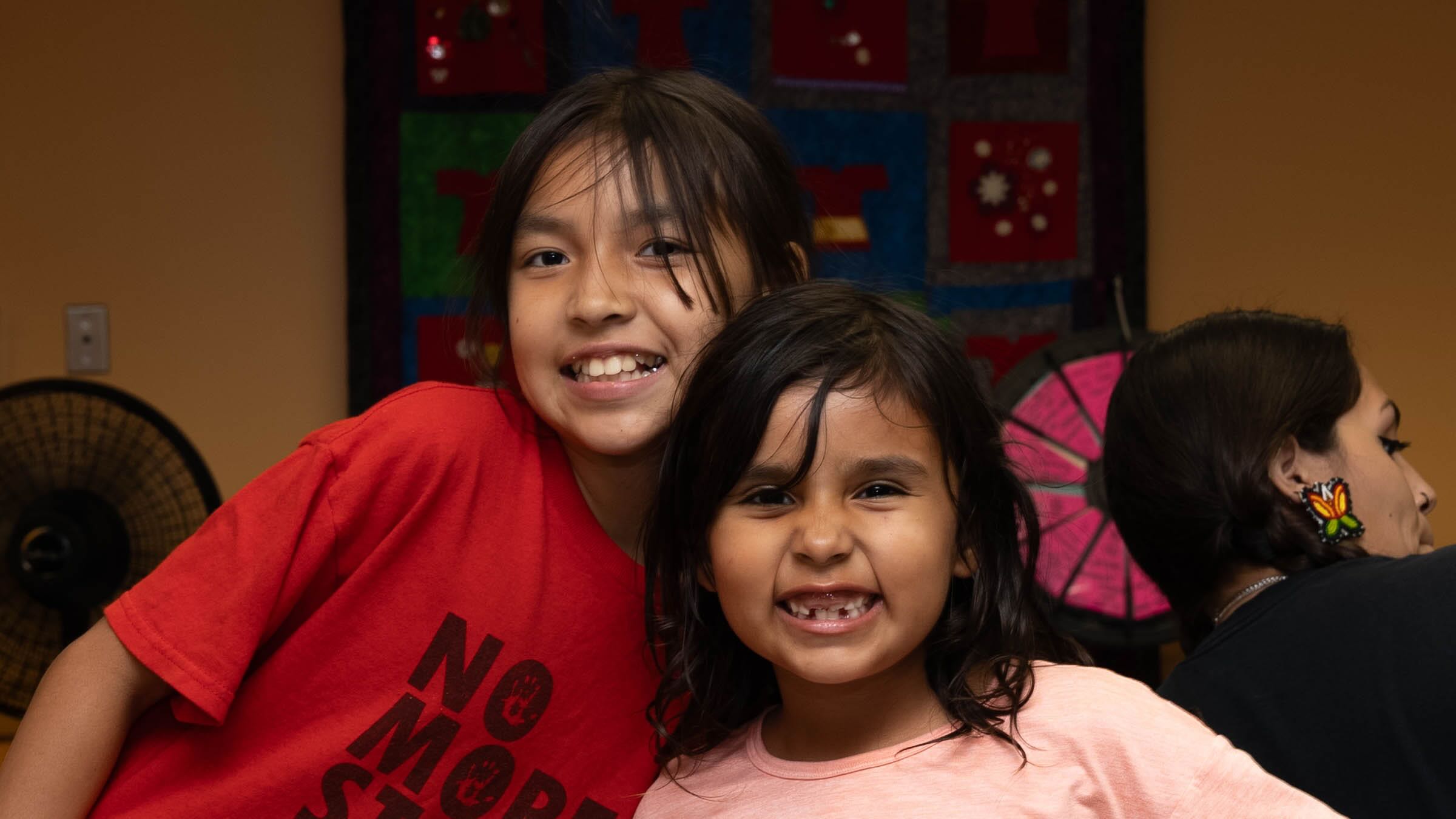
A great example of their educational work is their Youth Leadership Development Program, which empowers Native youth by combining rigorous academic support with cultural enrichment, including learning about language, ceremony, and arts and crafts. The program includes after-school tutoring and cultural enrichment activities to encourage well-rounded success.
“We do a lot of homework help, a lot of tutoring that happens every night, but then we also incorporate language. So, we always open with a meal and a spirit dish,” said Louise Matson, executive director of Division of Indian Work. “And we have a lot of cultural activities that the youth can do, learning about language, learning about ceremony, learning arts and crafts. And that is what's very successful with our native youth — academic rigor and culture.”
Louise shared that everyone benefits from the connections made through this culturally specific, multigenerational approach. Elders are revered as teachers and mentors, passing on language, practices and traditional knowledge. And youth develop leadership skills and learn traditional practices for prayer and making spirit dishes.
United Way’s multiyear Community Investments grantmaking provides DIW with critical unrestricted funding that supports the organization’s staffing, programming and other operational needs. Flexible funding provides stability that allows DIW to quickly address emerging community needs and maintain essential services.
“[United Way] has been a long-time partner. And that’s really important because it’s hard for us when we see support come and go … but United Way is a steadfast presence that I know I can count on,” said Louise.
Because these funds are unrestricted, DIW has the flexibility to use them in a way that is most effective for their organization. Flexible funding provides valuable stability at a time when many organizations are dealing with the unpredictability of federal funding.
United Way program officers work alongside our funded nonprofit partners to understand common challenges, provide expert advice and build strong connections that help us work together more effectively. Our partners tell us this collaboration and free consulting is crucial for their organization stability.
This includes connecting nonprofits to free technical assistance through partners like Propel Nonprofits, which offers consulting on strategic planning, governance and finance. DIW, nearing the end of their five year plan, took advantage of this opportunity and was able to get help developing a new strategic plan.
Our work in advocacy helps drive system change in our community. Our close relationships with multiyear partners like DIW provide valuable insight into why communities face persistent challenges. This helps us engage with policymakers, build coalitions and advocate for policies and funding that contribute to meaningful change.
“To have United Way reach out to us and ask, ‘What is important? What do you want to see for bills? What would you support?’ We can use the power of United Way’s advocacy to help us do the work that we can’t do alone,” said Louise.
We are proud to partner with Division of Indian Work and many nonprofit partners supporting youth development and educational success. Together, we’re ensuring all youth have the skills, relationships and mindsets to choose and direct their own future success.
Here’s how you can join us: