Everyone deserves access to food that is nutritious, culturally relevant and affordable. When people have to choose between feeding their families and monthly bills, it affects every aspect of their lives. That’s why Greater Twin Cities United Way works to meet urgent needs by increasing access to food. And we create lasting change by strengthening our regional food system.
Our long-standing partnership with CAPI USA has grown from our shared commitment to food security. Located in Brooklyn Center, CAPI works with immigrants, refugees and those in need. Their work helps people meet their basic needs, reach financial stability and get engaged in their communities.
Learn more about our work with CAPI USA from their CEO, Mary Niedermeyer:
Food security exists when people have access to enough nutritious and affordable food. So, food security in our region means everyone living in the Greater Twin Cities has a way to get nutritious and affordable food.
But what does “access” mean? Price, quality and selection all matter. Language, transportation, and the ability for seniors and people with disabilities to get food are all a part of access. Mary Niedermeyer shares, “We serve a lot of Hmong elders who don't speak English, so it's really key for us to have language access. A lot of food shelf-related grants don't pay employees to provide the service. Flexible operating funds have filled a major gap for CAPI and our ability to run our programming effectively for the community.” We offer our nonprofit partners flexible operating funds so they can support their staff and work with their community as they know best. CAPI’s ability to provide language access means more people can get food they need without the additional stress of language barriers. By reducing barriers, CAPI is increasing food security in our region.
Transportation to get food looks different for different families. It can mean disability services like Metro Mobility, a reliable place to park, or being close to a bus stop. A food shelf located directly on a public transit line makes it easier for people to get the food they need. Transportation — already a barrier to food security for many — became an even more complex barrier during Operation Metro Surge. Our community and nonprofit partners found new ways to get food to people. Immigrants and others who feared leaving their homes have depended on our partners and community to get them what they need, including food. This is another important reason why flexible operating funds are valuable to our nonprofit partners. The funding allows them to pivot quickly in response to rapidly changing needs and context.
Learn more about our work in food security.
At Greater Twin Cities United Way, food security means access to nutritious, affordable and culturally relevant food. When a family living in Brooklyn Center can shop for food they are familiar with at CAPI’s food shelf, they can prepare meals they know and love. Their quality of life improves as a result.
CAPI's belief is that “lack of financial resources shouldn’t keep folks from being able to practice their cultures.” We agree, and our work reflects that. Niedermeyer adds, “culturally specific foods are a key part of being able to sustain and celebrate culture for all families."
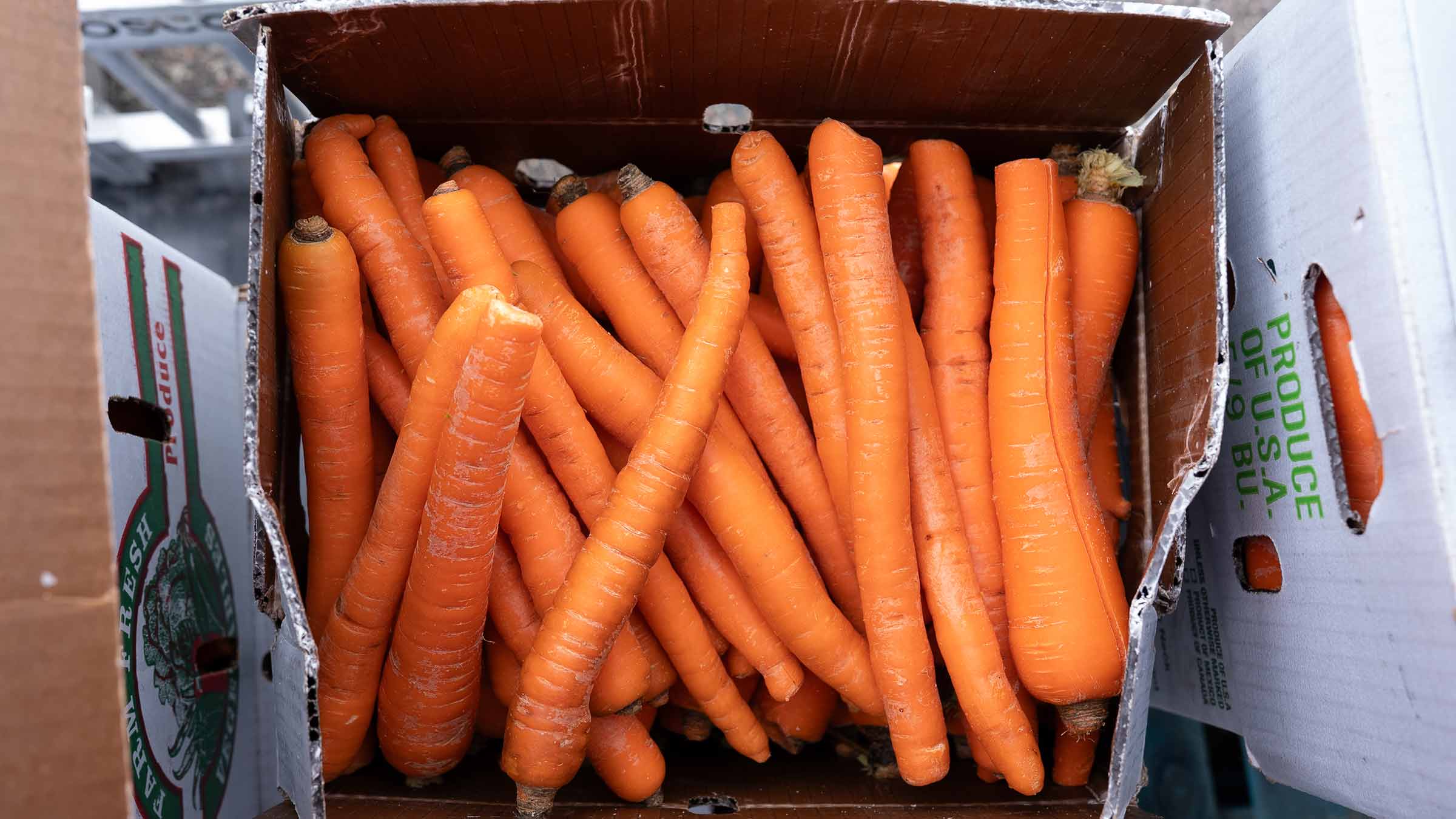
As one of our Flavors of Our Community nonprofit partners, CAPI uses the food packs we create in their work with other partners. The pack lists are an easy way to teach our community about the many people, cultures and diets that seek support at food shelves. Together, we ask volunteers to supply food like beans, bamboo shoots, tortillas and sardines to local food shelves. These ingredients are important to Afghan, East African, Indigenous, Karen, Latine or Southeast Asian food preferences. People seeking support communicate how dignifying it is and how happy it makes them to find food they love and know at local food shelves.
Families are resilient and find creative ways to put meals on the table when food is expensive and budgets are tight. But 35% of Minnesota households are ALICE (Asset Limited, Income Constrained, Employed). They are one emergency away from financial disaster despite working one or more jobs. The ALICE workers who keep our communities running are earning wages that don’t cover all their basic needs. More often than you think, the cashier who scans your groceries isn’t earning enough to cover basics like food and medicine. Many of us are feeling the burden of how expensive food is. But for ALICE households, that burden means choosing between groceries, rent, and an electric bill.
Today, hunger and food insecurity are a reality for more than 500,000 Minnesotans — including more than 180,000 children. Federal funding cuts, disruptions to SNAP benefits in November, the overall reduction to SNAP benefits and Operation Metro Surge have all made it harder to put meals on the table. In 2025, Minnesotans made 9 million visits to food shelves and are expected to increase this year. Food is one of the most common reasons people call our 211 resource helpline. Nonprofits working in food security are operating under immense stress as they work to meet the growing need.
We are proud to partner with CAPI USA and our many nonprofit partners working in food security.
Our trusted and long-term partnerships mean we can act fast, provide guidance and support, and be in a difficult time together. We work toward long-term food security so people have food that is nutritious, culturally relevant and affordable